ServicesSolar Panel Installation
Solar Panel Installation in Richardson
We design and install solar panel systems for homes in Richardson and the surrounding area, and we handle the paperwork that comes with them: the building and electrical permits, the city inspection and the utility interconnection. You get a clean installation and a plain explanation of each step.
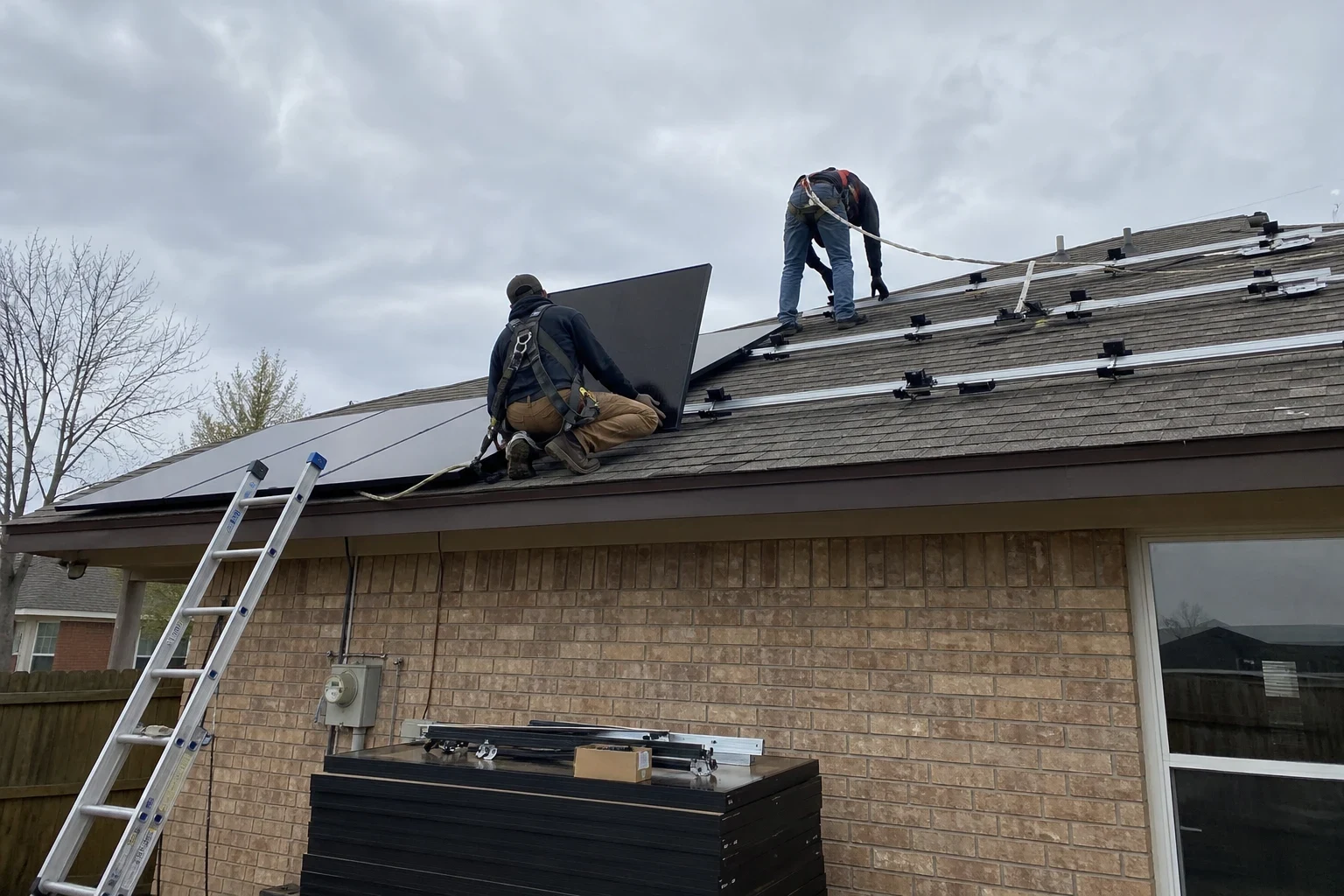
A solar system that is built and approved correctly
A solar system is part roof attachment, part electrical service and part utility agreement. Each of those has its own rules, and a system is not finished until all of them are satisfied. We size the array to your actual electricity use, lay it out around your roof's vents and setbacks, and wire it to current electrical code before anyone signs off.
We have been in business 5 years, and our crews hold over 40 solar certificates and licenses between them. That training shows up in small things: flashed roof attachments, conduit run neatly along the eaves instead of across the face of the house, and labels that an inspector can read at a glance.
If you are also thinking about battery storage, we can plan for it now so the wiring and equipment space are ready, even if you add the battery later.
What a solar panel installation includes
Usage review and system sizing
We look at twelve months of your electric bills and size the system to what your home actually uses. That keeps you from paying for panels that only send surplus power to the grid at a low buyback rate.
Roof and shading assessment
We measure each roof plane, note its pitch and direction, and check for shade from trees and neighboring structures. If the roof is near the end of its life, we tell you before installation so your roofer can handle it first.
Permit drawings and filing
We prepare the site plan, electrical single-line diagram and equipment specifications the city reviews, then file and track the application for you.
Mounting, wiring and rapid shutdown
Panels sit on flashed attachments fastened into the rafters, not just the roof deck. Wiring follows current code, including the rapid shutdown equipment that lets firefighters de-energize the array from the ground.
Inspection and interconnection
We meet the inspector on site, then file the interconnection application with the utility on your behalf. You turn the system on only after the utility gives its final approval.
Signs solar panel installation makes sense for you
Summer bills that climb every year
Long North Texas summers keep air conditioning running for months. A south or west facing roof produces most during those same hours.
A roof with good years left
Panels stay up for decades, so a roof in sound condition is the best starting point. A newer roof means you are unlikely to need the panels removed and reinstalled soon.
Open, unshaded roof area
A few clear roof planes without heavy tree cover usually give enough space for a useful system.
Plans to stay in your home
Solar pays back over years, so it suits owners who expect to stay and benefit from lower bills.
How the installation runs, start to finish
- 1
Phone conversation and site visit
We start with a call about your goals and bills, then visit to measure the roof, inspect the attic framing and look at your electrical panel.
- 2
Design and written proposal
You receive a layout showing where each panel sits, the equipment list and a line-item proposal. We explain any electrical panel upgrade the design requires and why.
- 3
City and HOA approvals
We file with the city and, where your neighborhood requires it, help you prepare the homeowners association paperwork. Work begins once approvals are in hand.
- 4
Installation day
Most residential systems go in over one to two days. We protect landscaping below the work area, keep the driveway clear and pick up every scrap of wire and packaging before we leave.
- 5
Inspection and turn-on
The city inspects the finished work, the utility approves the interconnection, and we walk you through the monitoring app so you can see production from day one.
What shapes the price of your system
Two homes on the same street can need quite different systems. The price follows the size of the array, the equipment chosen and how much electrical work your home needs to meet code. Your written proposal lists each of these separately so nothing arrives as a surprise later.
- System size
- The number of panels needed to cover your usage is the largest single driver.
- Panel and inverter choice
- Microinverters, string inverters with optimizers and different panel lines vary in cost, efficiency and how they handle partial shade.
- Roof layout and access
- Steep pitches, multiple small roof planes and two-story eaves add labor and safety equipment.
- Electrical panel condition
- Older or undersized main panels sometimes need an upgrade or a supply-side connection to carry solar safely.
- City fees and utility requirements
- City review fees and any added equipment the utility requires, such as a production meter or disconnect, are included in the proposal.
Solar panel installation questions
Something not covered here? (972) 640-9278
Do I need a permit to install solar panels in Richardson?
Yes. Rooftop solar requires building and electrical approval from the city, followed by an inspection of the finished work. We prepare the drawings, file the application and attend the inspection, so you do not need to deal with city hall yourself.
How long does the whole process take?
The installation itself usually takes one to two days. Most of the calendar time is spent waiting on city review, any HOA approval and the utility's final sign-off. We keep you updated as each approval comes through.
Will the installation cause roof leaks?
Every attachment is fastened into a rafter and sealed with flashing designed for that roof type, so water sheds around it instead of through it. Our 10-year workmanship warranty on solar covers the installation work, including those roof penetrations.
How will solar affect my electric bill in Texas?
Your system offsets the power you would otherwise buy. Credit for surplus energy sent to the grid depends on your retail electric provider's buyback plan, which varies widely, so we size the system mainly around your own use and explain the plans worth comparing.
Can my system handle hail?
The panels we install carry manufacturer hail ratings, and the tempered glass is built to withstand typical North Texas storms. If a severe storm does damage a panel, our solar repair service can inspect and replace it.
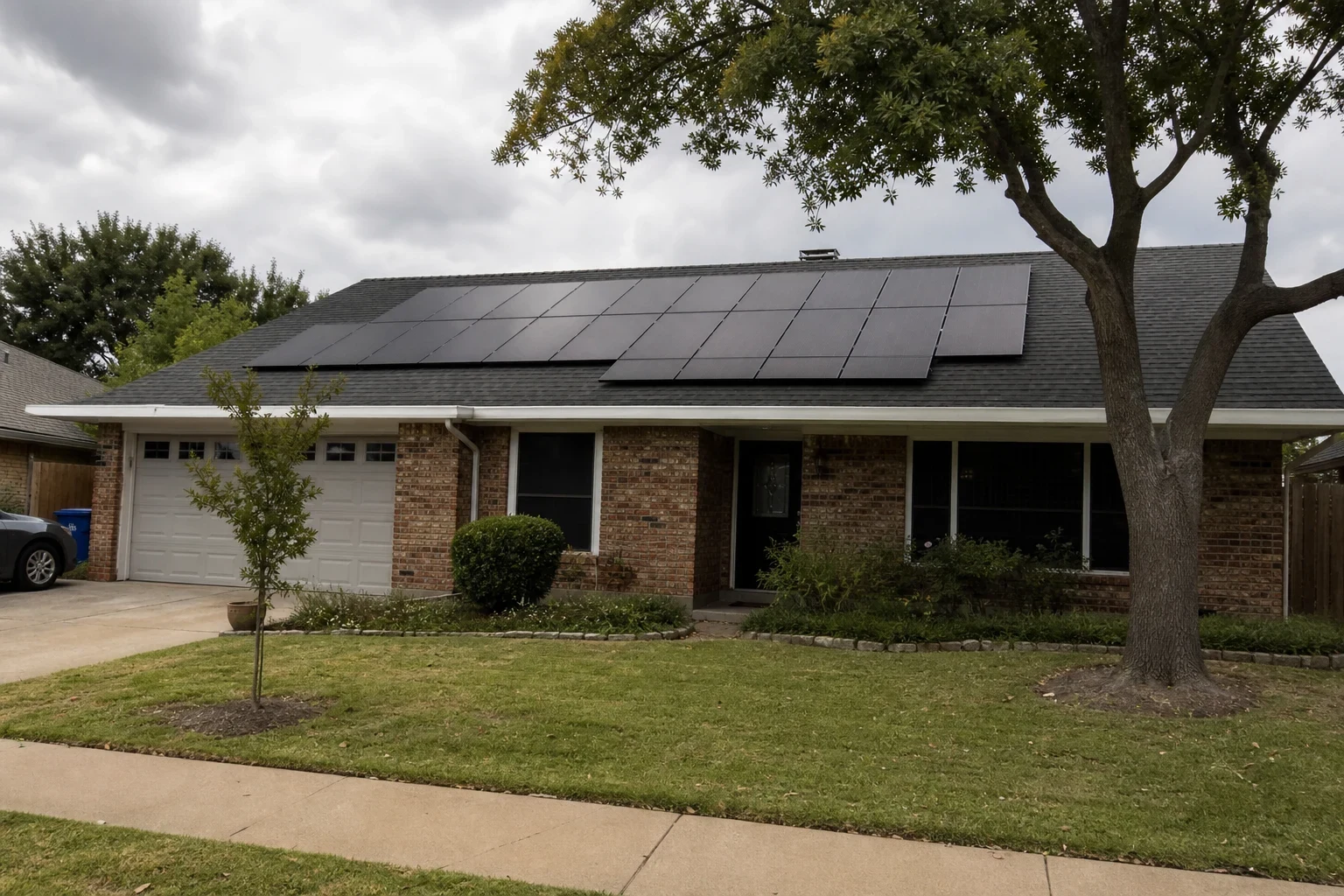
Start with a clear plan for your roof
A short phone conversation tells us enough to plan a site visit and explain which city approvals your project will need. We will answer your questions plainly, without pressure.